Archaeological Exhibition
The Archaeology Department of the NI Institute and Museum – Shtip is conceptually based on the chronological classification of archaeological material. Its mission is to research, document, valorize, revalorize, protect, maintain, and present archaeological material as cultural heritage. The collection is chronologically systematized and includes over 5,000 items from several cultural-historical periods: Prehistory—Neolithic (7000–3000 BCE), Eneolithic (3100–2100 BCE), Bronze Age (2100–1100 BCE), and Iron Age (1100–600/500 BCE); Antiquity—Early Antiquity (600/500–168 BCE) and the Roman period (2nd–5th century); and the Medieval period (6th–16th/17th century).
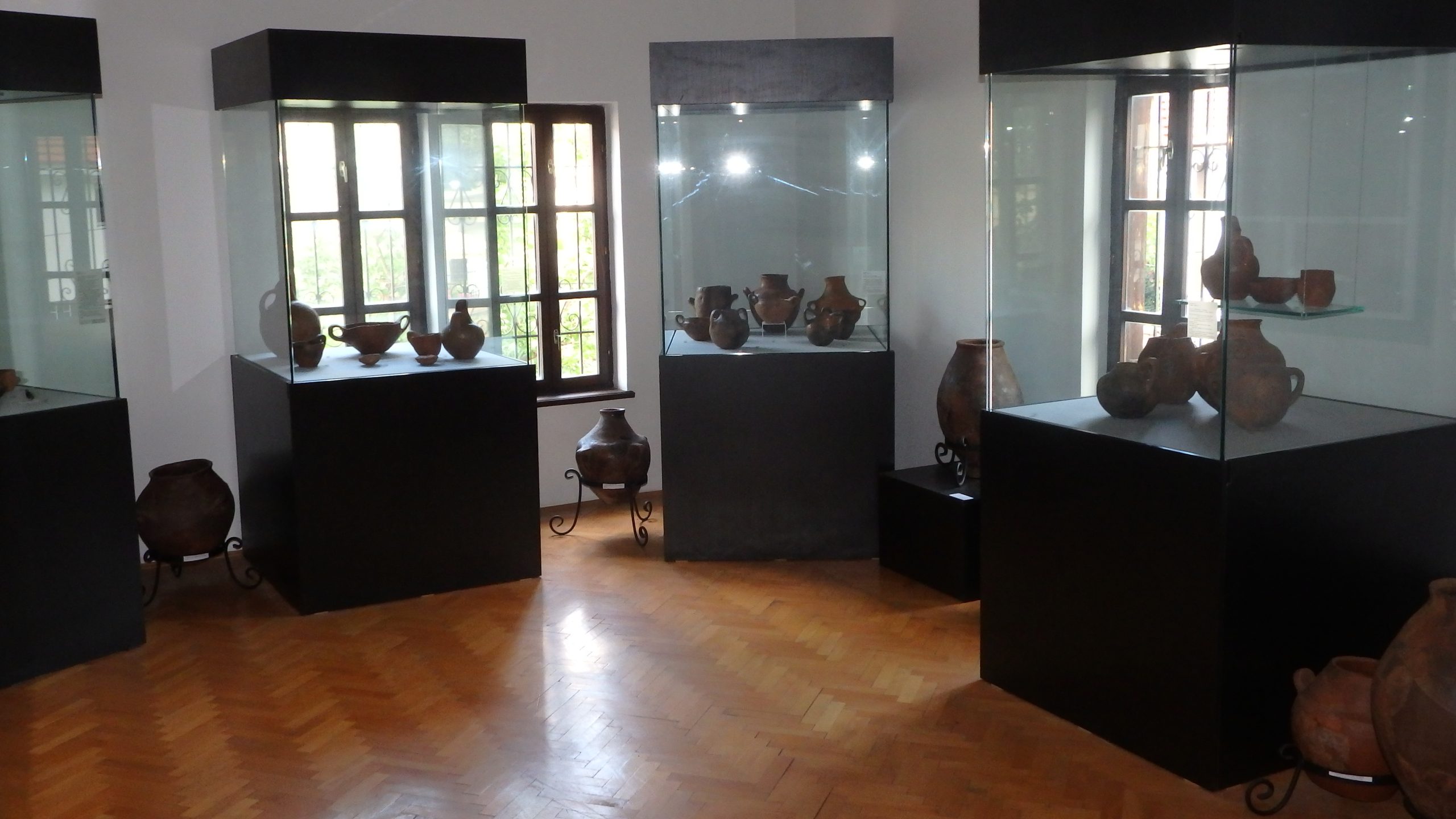
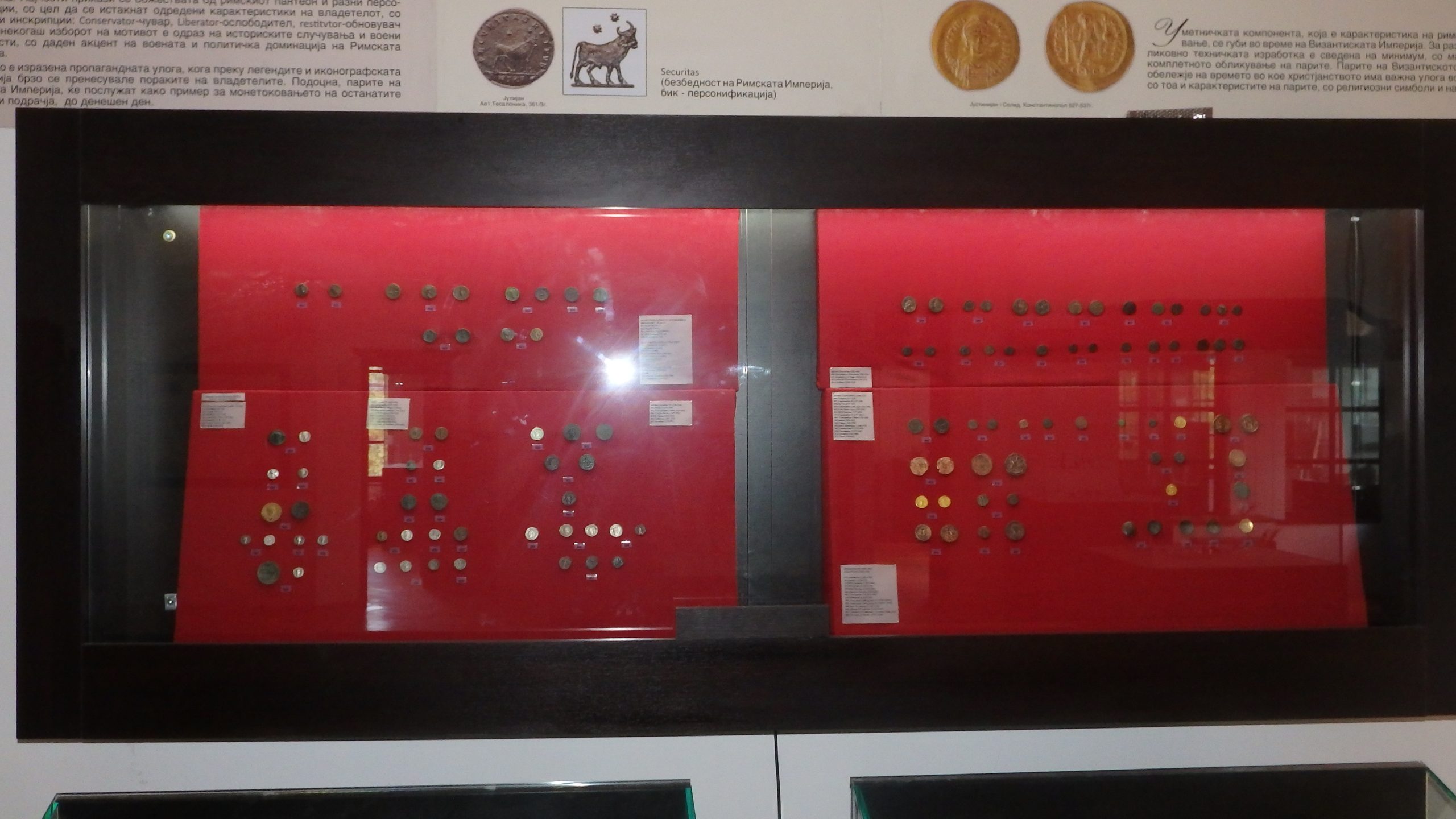
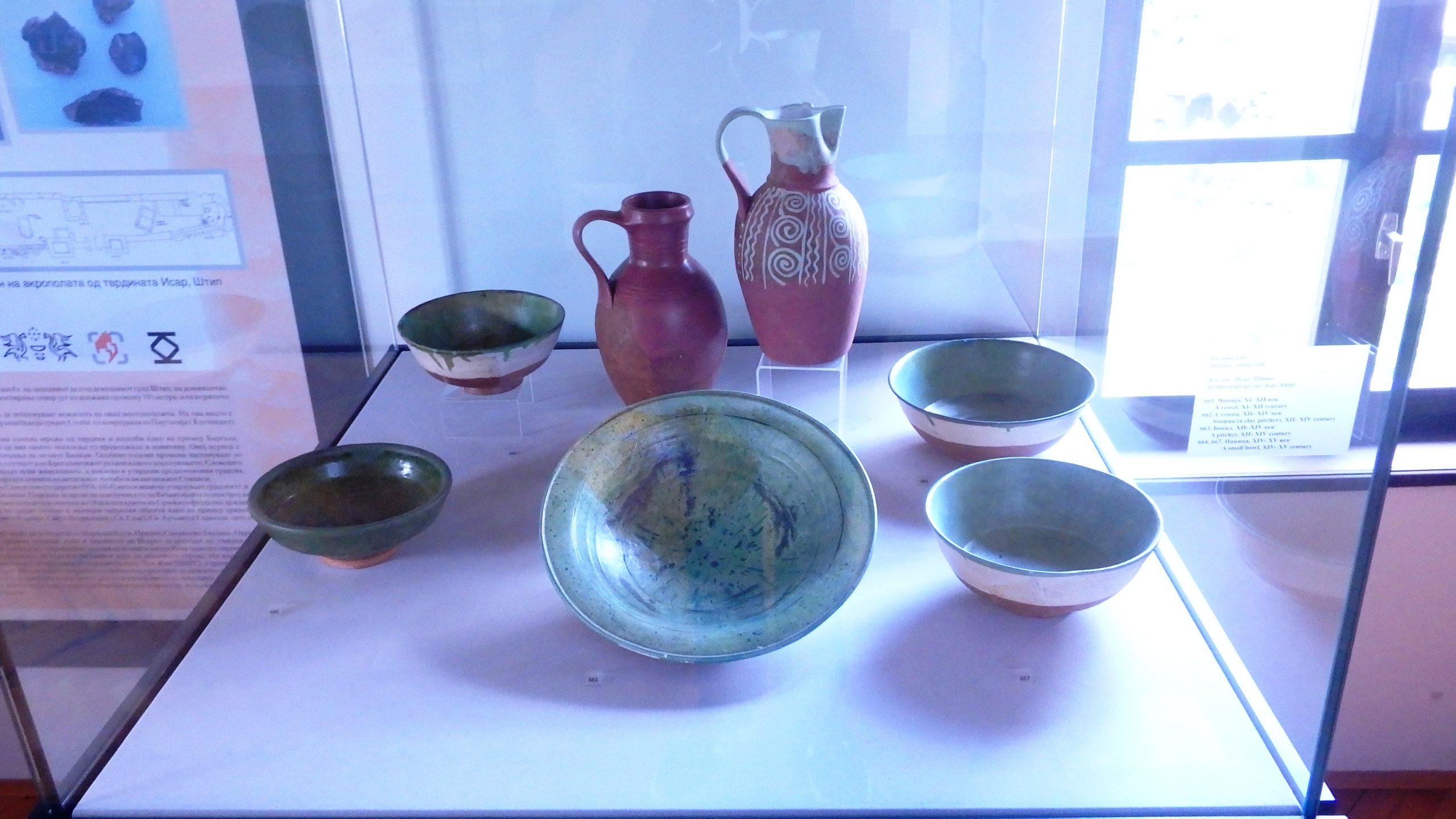
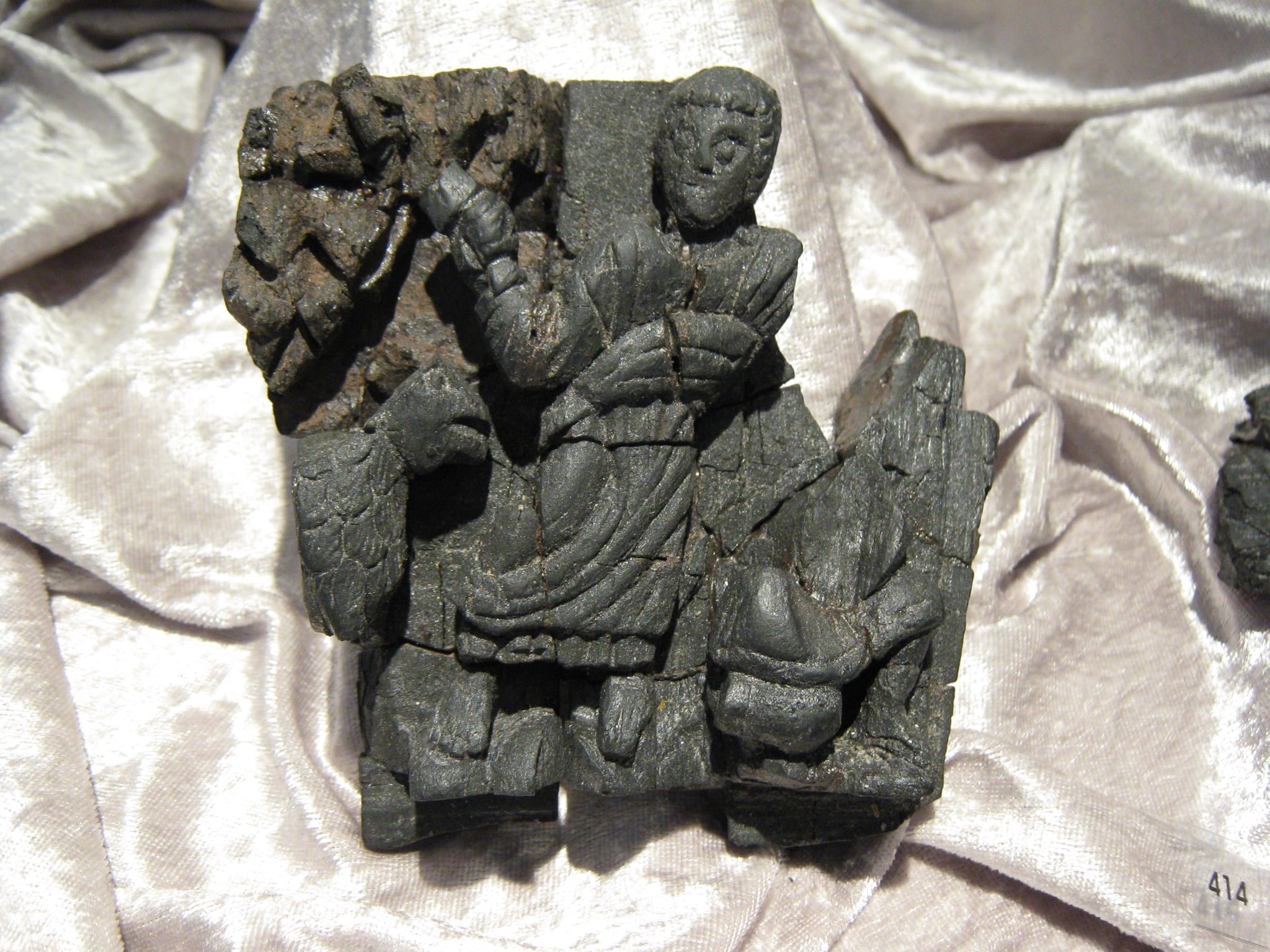
The archaeological exhibition is housed in the Anevci–Gochevi family house and was opened in December 2005. The exhibition is displayed across two floors and presents a chronological overview from prehistory to the medieval period, featuring over 1,300 unique objects. The collection includes pottery vessels, jewelry, coins, tools, weapons, stone and relief plaques, as well as rare wooden objects, discovered at several archaeological sites: Bargala, Amzanegovo, Isar, Cross–Tarinci, Vrshnik, and others.
In 2012, the archaeological exhibition was expanded with new glass display cases for movable archaeological material.
In 2016, the numismatic section of the archaeological exhibition was reorganized.
The collection was further enriched with new exhibits in 2017.
With the latest additions, the archaeological exhibition now includes a total of 33 display panels and 71 glass cases. Altogether, 1,326 archaeological artifacts are on display, offering insight into human life in the Bregalnitsa region from prehistory to the present day.