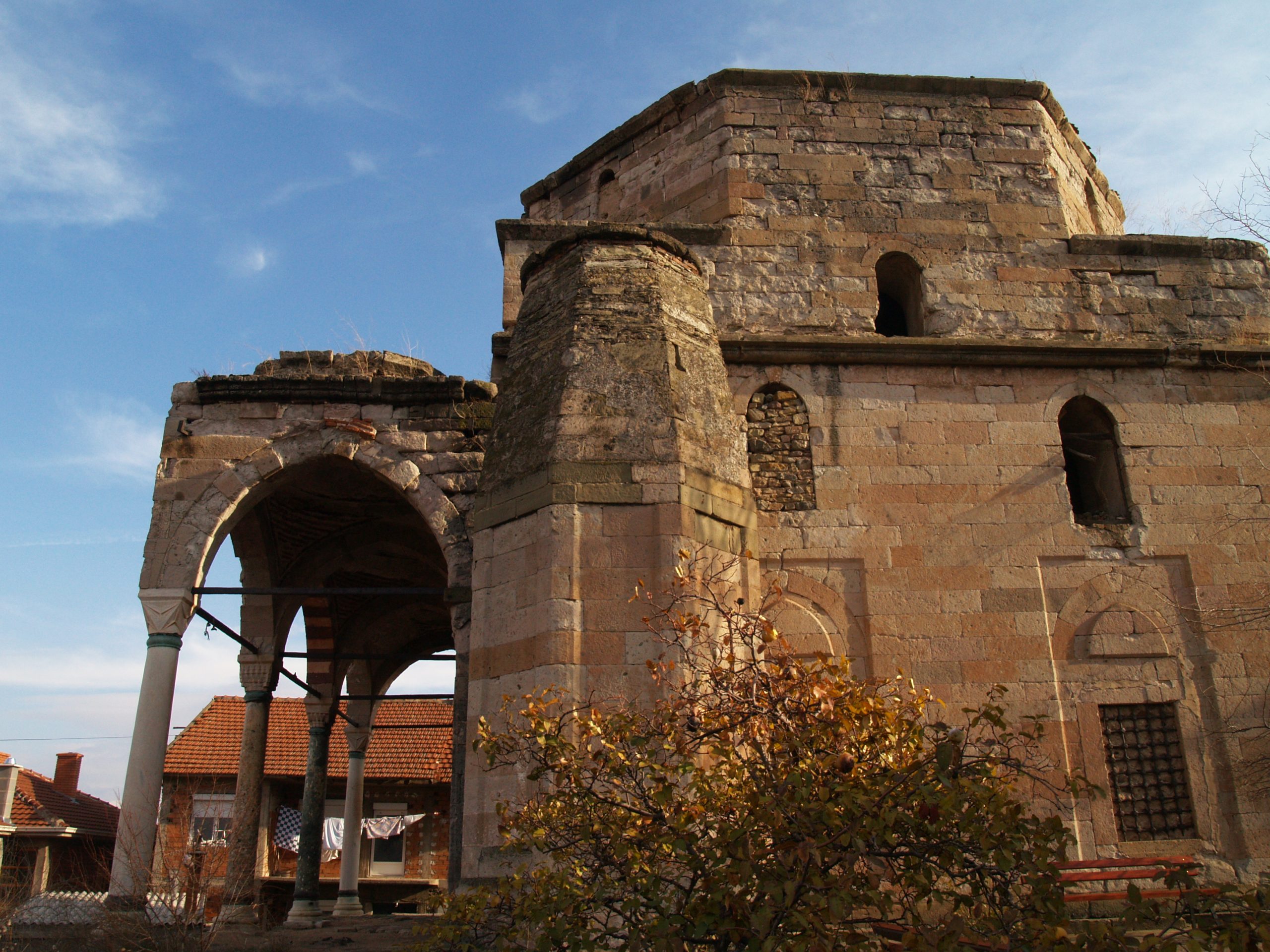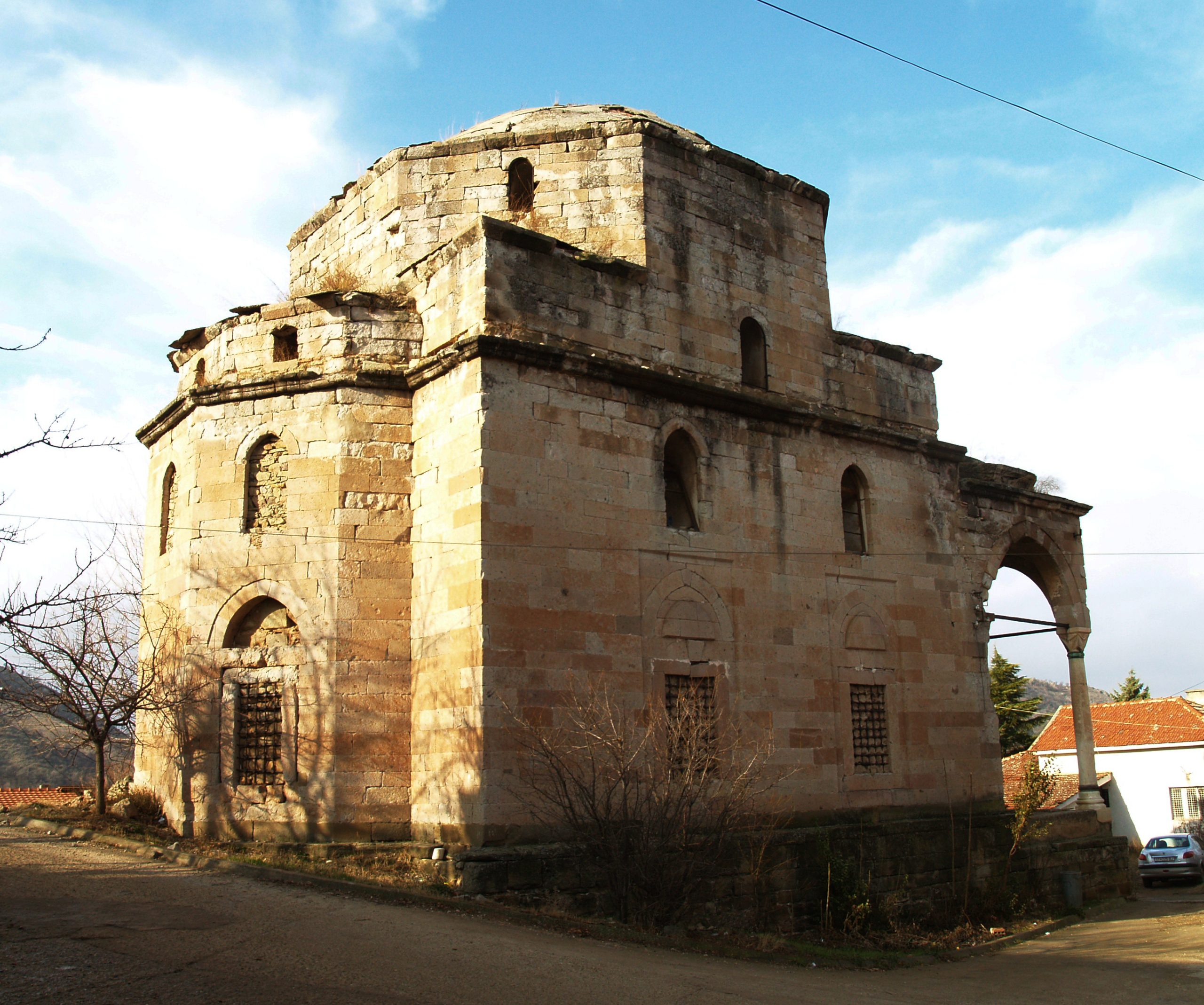
The Husa Medin Pasha Mosque belongs to the early urban style of Ottoman architecture. The octagonal, shallow-vaulted mihrab on the southern side distinguishes this building from the other preserved monuments of this type in Macedonia. This mihrab form, known as early as the 14th century, was adopted under the influence of Seljuk and early Ottoman architecture.
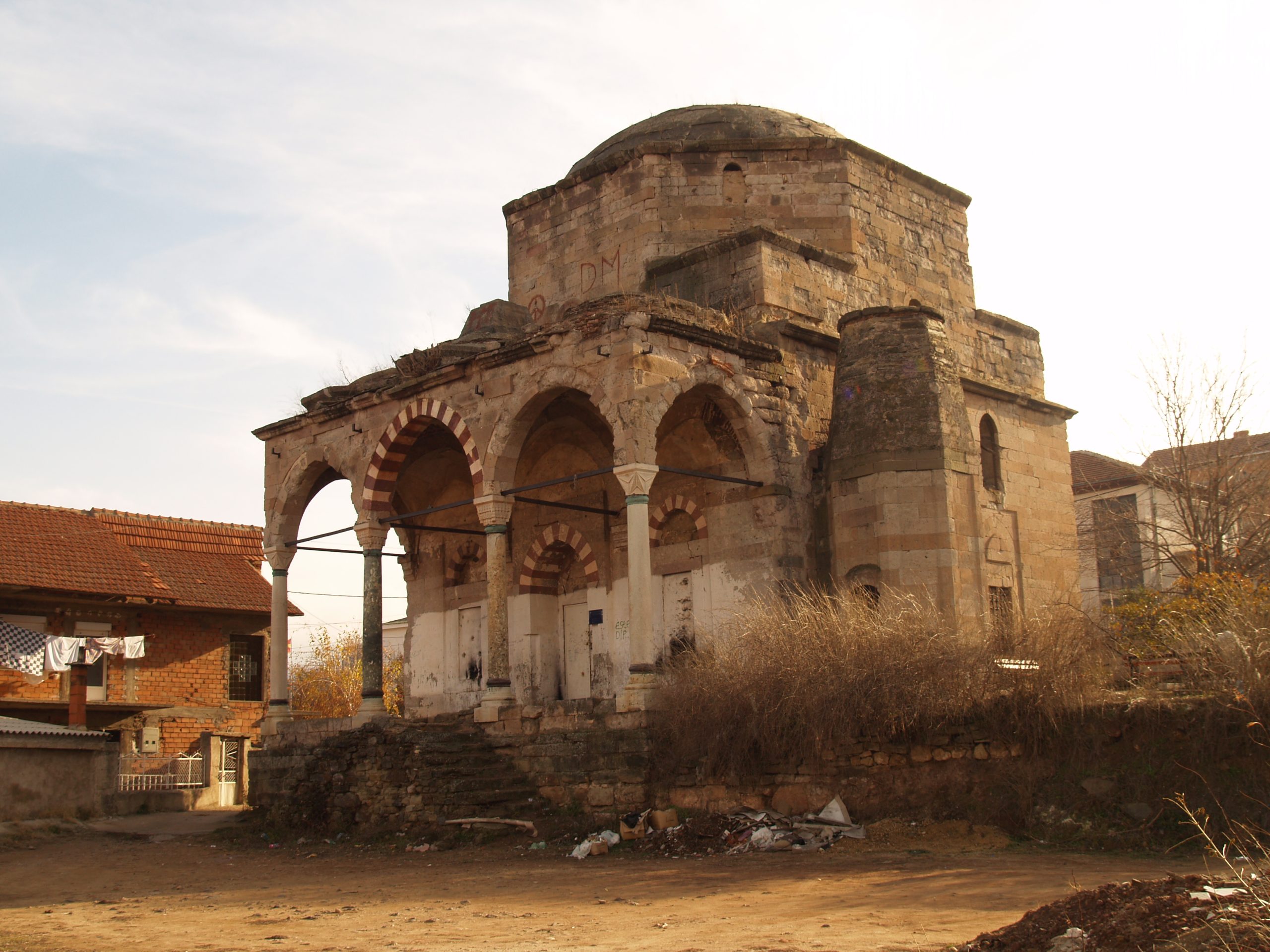
In its overall form, the mosque is a single-dome building with a square ground plan, with clean proportions of 9.1 m, covered by a dome and with an added open porch on four columns, topped by three small low domes.
In the interior, in the northern corner of the mosque, there is a mahfil, which served as a prayer area for women. The only preserved part of the mahfil is the stone staircase built into the interior of the wall, which led to the gallery level, one level above the ground floor. In the southern corner of the mosque, there are traces of the mihrab. The interior lighting is provided through three rows of windows. The window openings are made of dressed stone blocks and are vaulted.
The porch of the mosque has a simple, proportional form, typical of Islamic architecture of the 16th century. It is supported by four round marble columns. The two inner columns are of greenish marble and have decorative capitals, while the outer columns are of white marble with decorative capitals in the form of “Turkish triangles.” The arches that support the domes are executed with alternating use of red and white stone blocks, creating a striking decorative effect.
This decorative system is also applied above the main entrance on the northern side of the building, as well as on the windows located on both sides of the entrance, and is typical of Ottoman buildings from the first half of the 16th century.
The minaret on the western side of the mosque is octagonal, built of green sandstone brought from the surrounding area. The minaret, covered with lead, has a simple top—without a turret or finial—and the natural porosity of the green sandstone is one of the reasons for its deterioration. Stone stairs are built inside the minaret.
Immediately west of the mosque, there is an octagonal türbe, covered with tiles. Sheikh Mujuddin Rumi (Baba) is buried there. The tomb has been restored several times, so its originality has been compromised and its authentic appearance cannot be clearly defined.