Ethnological Exhibition
In 1949, the Ethnological Museum in Macedonia was established, and in the following years it was formed in several cities as well, including Shtip.
Since its establishment, the mission of the Ethnology Department has been to collect, research, preserve, and promote ethnological cultural heritage—primarily as an integral part of our past. Through exhibitions, publications, and the organization of educational activities, the department remains accessible to the public.
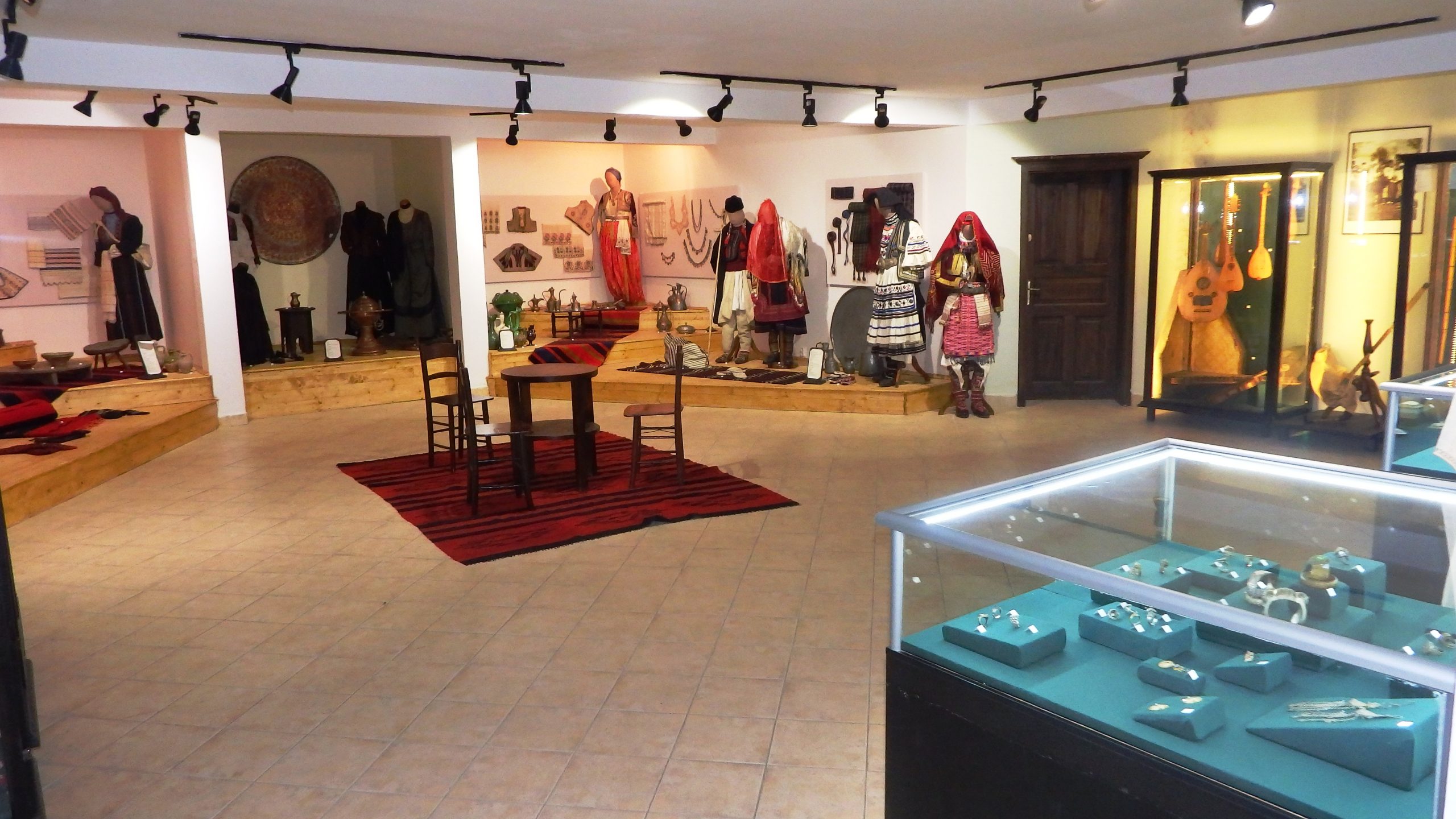
The ethnological cultural heritage of the NI Institute and Museum Shtip is presented in an exhibition that was opened in May 2011. The building that today houses the permanent archaeological and ethnological exhibitions was constructed on the site where two old-town houses once stood, belonging to the Anevci and Gochevi families.
The Ethnology Department holds around 2,000 objects, dated mainly to the 19th and 20th centuries, a large portion of which are displayed in the permanent ethnological exhibition.
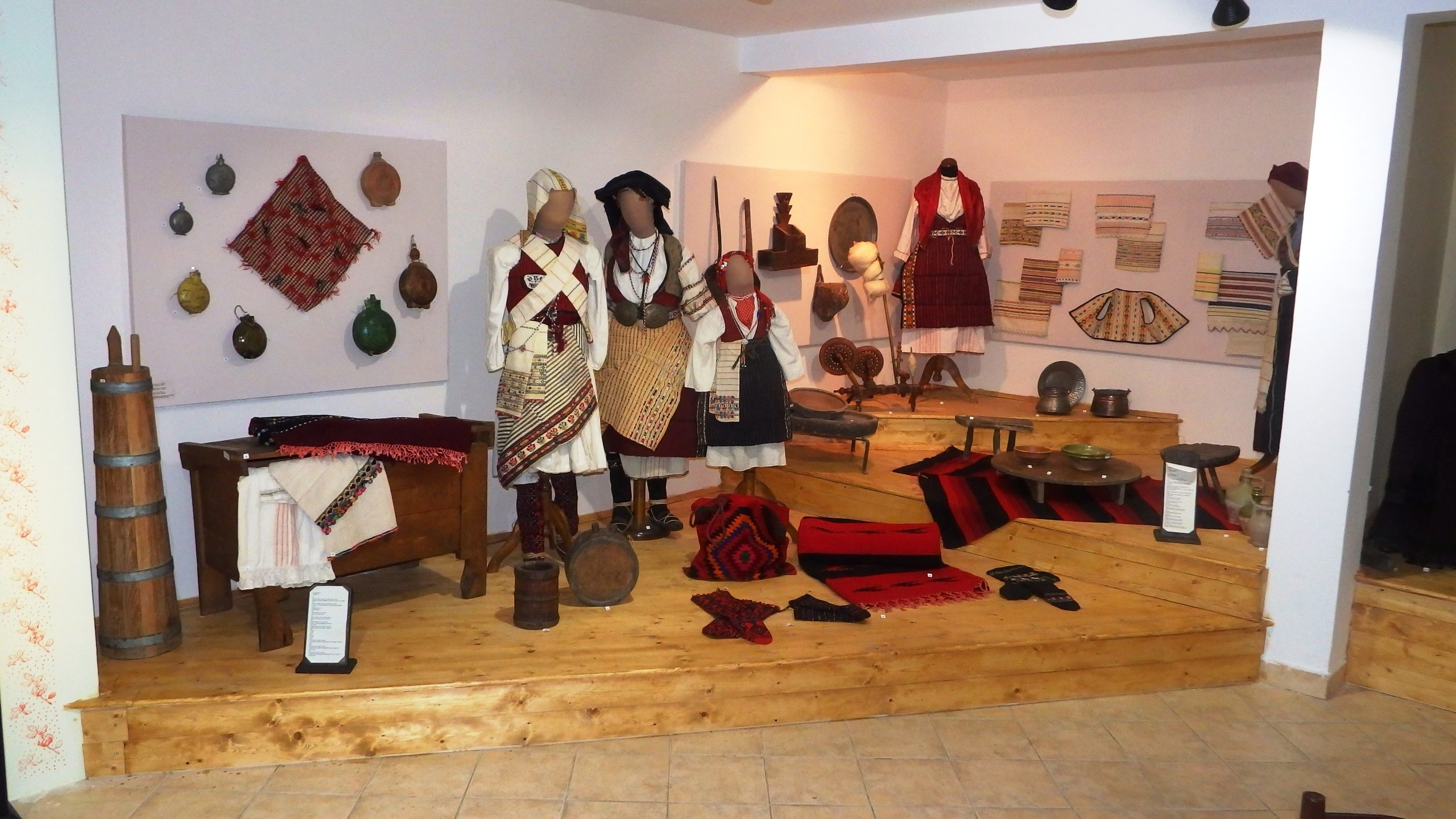
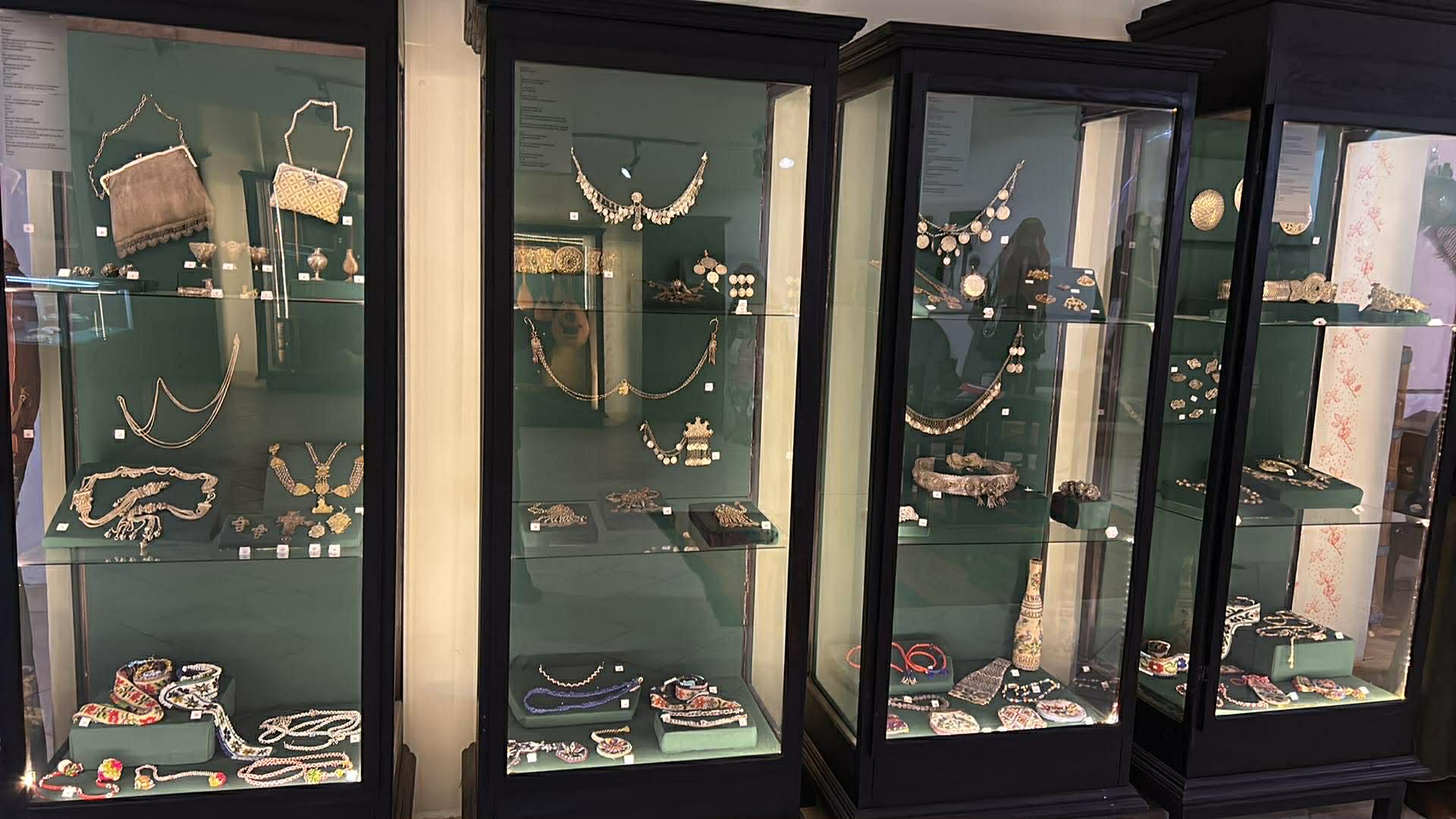
Most of the objects are textiles and include individual items of clothing, woven pieces, and folk costumes from the Ovche Pole region, Kumanovo–Kriva Palanka, Pijanec, Lazavichki (Radovishko–Shtip region), Plachkovica (Berovo–Delchevo), and folk costumes from the villages of Vlastica, Karagjuni, and Sarachani. Items made of metal, ceramics, and wood used in households are presented as representative ethnological material from the Shtip craft tradition. The museum’s collection also includes ethnological material related to engagement and wedding gifts, as well as how these customs are practiced today.
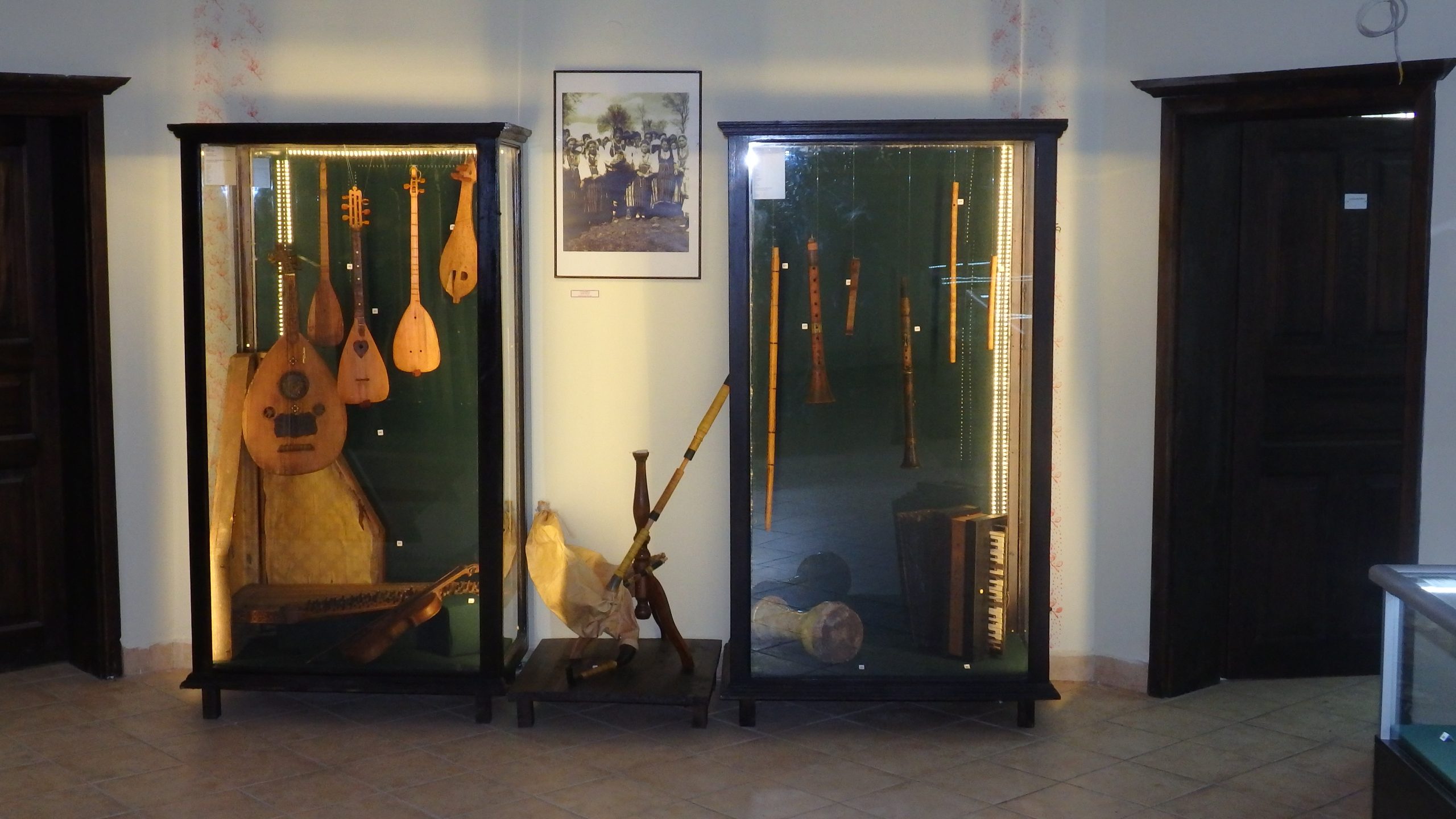
In October 2017, the exhibition was enriched with a larger number of objects from various collections that testify to the social life and culture of the people of the Bregalnica region.